Ditapis dengan

Quantification of the Effects of Polymer-Modified Asphalt for Reducing Paveme…
Quantification of the effects of Polymer-Modified Asphalt (PMA) indicates substantial reductions in pavement distress and significant extensions of service life. Studies and performance data through 2026 consistently show that PMA outperformed conventional hot-mix asphalt (HMA) by enhancing durability against common failure mechanisms LOKASI: Lemari Referensi RF.15
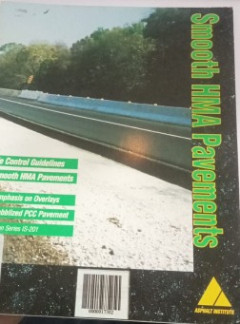
SMOOTH HMA PAVEMENT: Grade Control Guidelines for Smooth HMA Pavements With E…
"Smooth HMA Pavement: Grade Control Guidelines for Smooth HMA Pavements With Emphasis on Overlays Over Rubberized PCC Pavements" refers to a specific technical publication (likely an Asphalt Institute document) detailing how to achieve smooth Hot Mix Asphalt (HMA) surfaces, particularly when applied over fractured Portland Cement Concrete (PCC) pavements (rubblization). Key guidelines involve p…

PAVEMENT REHABILITATION TECHNIQUES USING ASPHALT
Asphalt pavement rehabilitation uses techniques like mill & fill, overlays, and various recycling methods (hot, cold, full-depth) to repair distresses, extend pavement life, and improve smoothness, with options ranging from simple surface treatments (chip seals) to complex structural fixes, often incorporating recycled materials (RAP) for cost and environmental benefits. LOKASI: Lemari Refe…
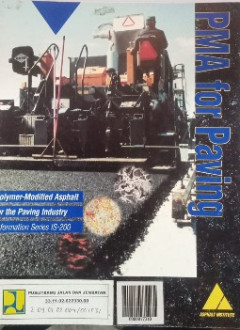
PMA for Paving: Polymer-Modified Asphalt for the Paving Industry
Polymer-Modified Asphalt (PMA) enhances standard asphalt by blending polymers (like SBS, EVA) into the bitumen to significantly improve road performance, offering superior resistance to rutting, cracking (hot & cold), and fatigue, thereby extending pavement life and reducing maintenance costs despite higher initial investment. PMA creates more durable, resilient pavements suitable for heavy tra…
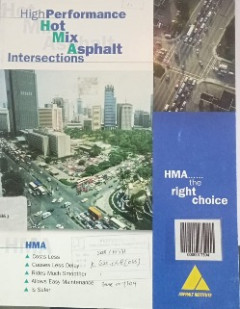
High Performance Hot Mix Asphalt Intersections
High-Performance Hot Mix Asphalt (HMA) for intersections uses specialized mixes, like Stone Matrix Asphalt (SMA) with stiff binders and robust aggregates, designed to resist rutting and densification from heavy, slow traffic in hot climates, offering superior durability, quicker construction/reopening times, and cost-effectiveness compared to traditional pavement, with strategies like using SMA…
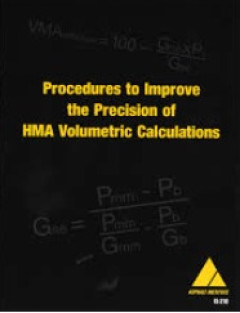
Procedure to Improve the Precision of HMA Volumetric Calculations
To improve Hot Mix Asphalt (HMA) volumetric precision, use accurate aggregate specific gravities, carefully determine Gmb (Bulk Specific Gravity) using methods like parafilm or vacuum sealing to avoid SSD issues, apply Bailey Method principles for aggregate packing, leverage AI/digital imaging for VMA, and ensure precise lab procedures (like proper Rice testing for Gmm and compaction). Focus on…

Calculating Pavement Costs
Calculating pavement costs involves determining the area (length x width), deciding on thickness, calculating volume (cubic feet), converting to tonnage (if asphalt), and then factoring in material price, site prep (excavation, base), labor, and geographic location; typically, you'll find per-square-foot or per-ton costs for materials, with total project costs varying greatly by project size, c…
Canadian Foundation Engineering Manual: Part 4, Excavation and Retaining Stru…
Secara historis terbagi menjadi beberapa bagian, Bagian 4 dari Canadian Foundation Engineering Manual (CFEM) secara khusus membahas Penggalian dan Struktur Penahan. LOKASI: Lemari Referensi RF. 13
Canadian Foundation Engineering Manual: Part 3, Deep Foundation
Part 3 of the Canadian Foundation Engineering Manual (CFEM) specifically addresses Deep Foundations, outlining technical guidelines and standards for designing and installing foundation systems that transfer structural loads to deeper soil or rock layers. Read more at Canadian Foundation Engineering Manual. LOKASI: Lemari Referensi RF. 13
Canadian Foundation Engineering Manual: Part 2, Shallow Foundations
Bagian 2 dari Manual Rekayasa Pondasi Kanada (Canadian Foundation Engineering Manual/CFEM), yang diterbitkan oleh Canadian Geotechnical Society (CGS), berfokus pada desain dan analisis pondasi dangkal. Edisi ke-5 terbaru dari manual ini, yang merupakan referensi utama untuk praktik geoteknik di Kanada, dirilis pada Oktober 2023. LOKASI: Lemari Referensi RF. 13