Text
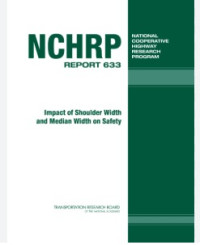
Impact of Shoulder Width and Median Width on Safety
Roadway design elements, particularly shoulder width and median width, play a critical role in influencing traffic safety outcomes. This study examines how variations in shoulder and median dimensions affect crash frequency and severity on different classes of roadways. Wider shoulders are generally associated with improved safety performance, as they provide recovery space for errant vehicles, accommodate disabled vehicles, and enhance sight distance. Similarly, wider medians—especially those with physical barriers—reduce the likelihood of head-on collisions and cross-median crashes.
Using a combination of traffic data analysis and statistical modeling, the study evaluates accident rates across segments with varying geometric characteristics. The findings indicate that incremental increases in shoulder width significantly reduce single-vehicle and run-off-road crashes, while increased median width is strongly correlated with reductions in severe and fatal collisions. However, the effectiveness of these features may vary depending on traffic volume, speed, and surrounding environment.
The study concludes that optimizing shoulder and median widths should be a priority in road design and rehabilitation projects, as these factors contribute substantially to overall roadway safety. Recommendations are provided for minimum design standards and context-sensitive applications to maximize safety benefits.
LOKASI: Rak Penelitian 2
Ketersediaan
Informasi Detail
- Judul Seri
-
NCHRP Repor 633
- No. Panggil
-
R 625.7(047.31) HAR i
- Penerbit
- Washington : TRB., 2009
- Deskripsi Fisik
-
35p.: Illus.; 21 x 28 cm
- Bahasa
-
English
- ISBN/ISSN
-
978-0-309-11782-1
- Klasifikasi
-
R 625.7(047.31)
- Tipe Isi
-
-
- Tipe Media
-
-
- Tipe Pembawa
-
-
- Edisi
-
-
- Subjek
- Info Detail Spesifik
-
-
- Pernyataan Tanggungjawab
-
-
Versi lain/terkait
Tidak tersedia versi lain
Lampiran Berkas
Komentar
Anda harus masuk sebelum memberikan komentar